Category: Home Safety

  • Kitchen Fire Prevention: Safer Habits for Everyday Cooking

    Kitchen Fire Prevention: Safer Habits for Everyday Cooking

    Quick answer: Kitchen Fire Prevention: Safer Habits for Everyday Cooking starts with simple, low-risk checks, a household plan, and early attention to warning signs. Do not attempt electrical, gas, combustion, structural, or emergency work beyond your training.

    Why it matters

    Home-safety problems can develop quietly. A routine check can help your household notice hazards early and decide when to contact emergency services, a utility, or a qualified professional.

    What to check

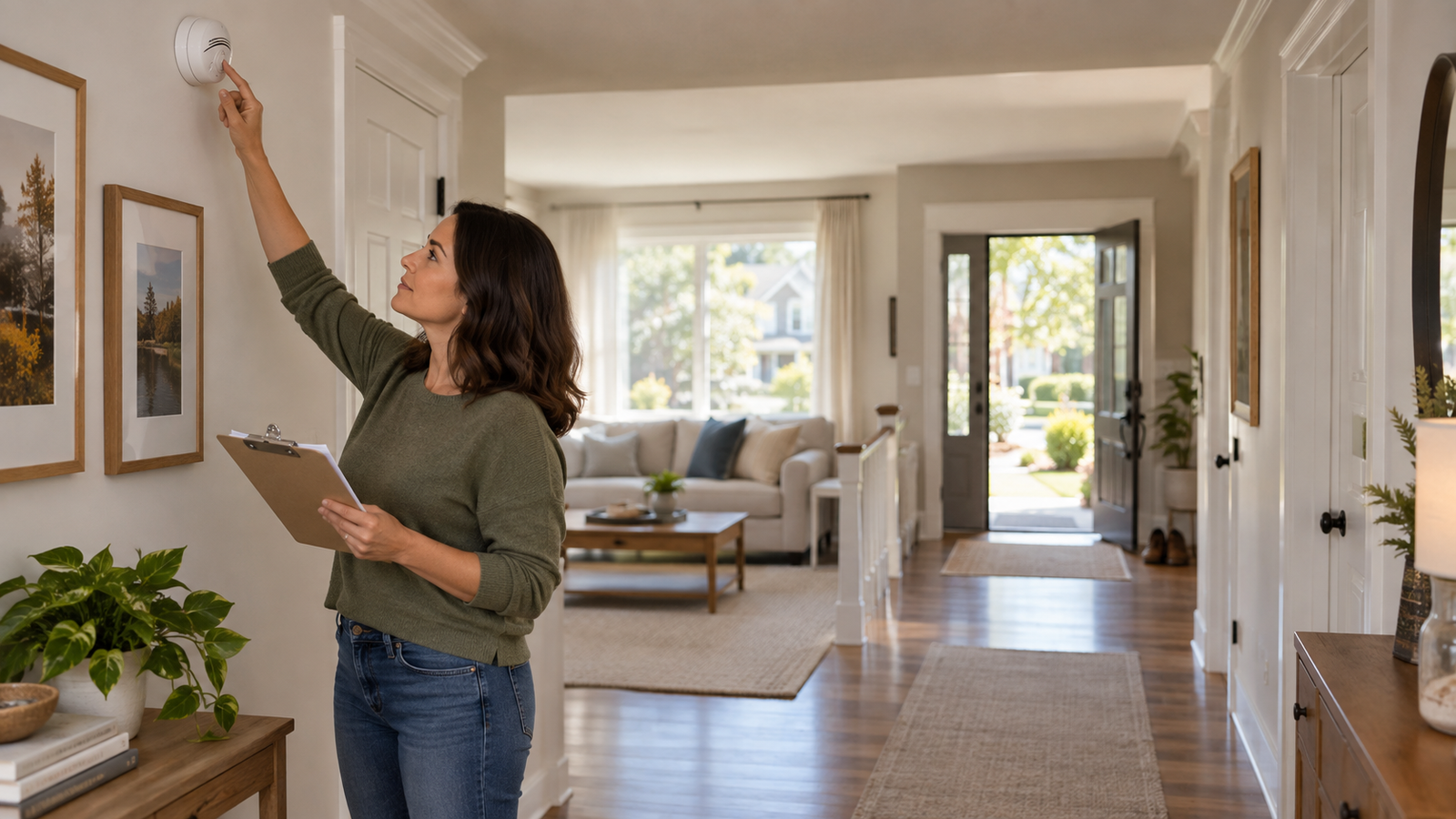
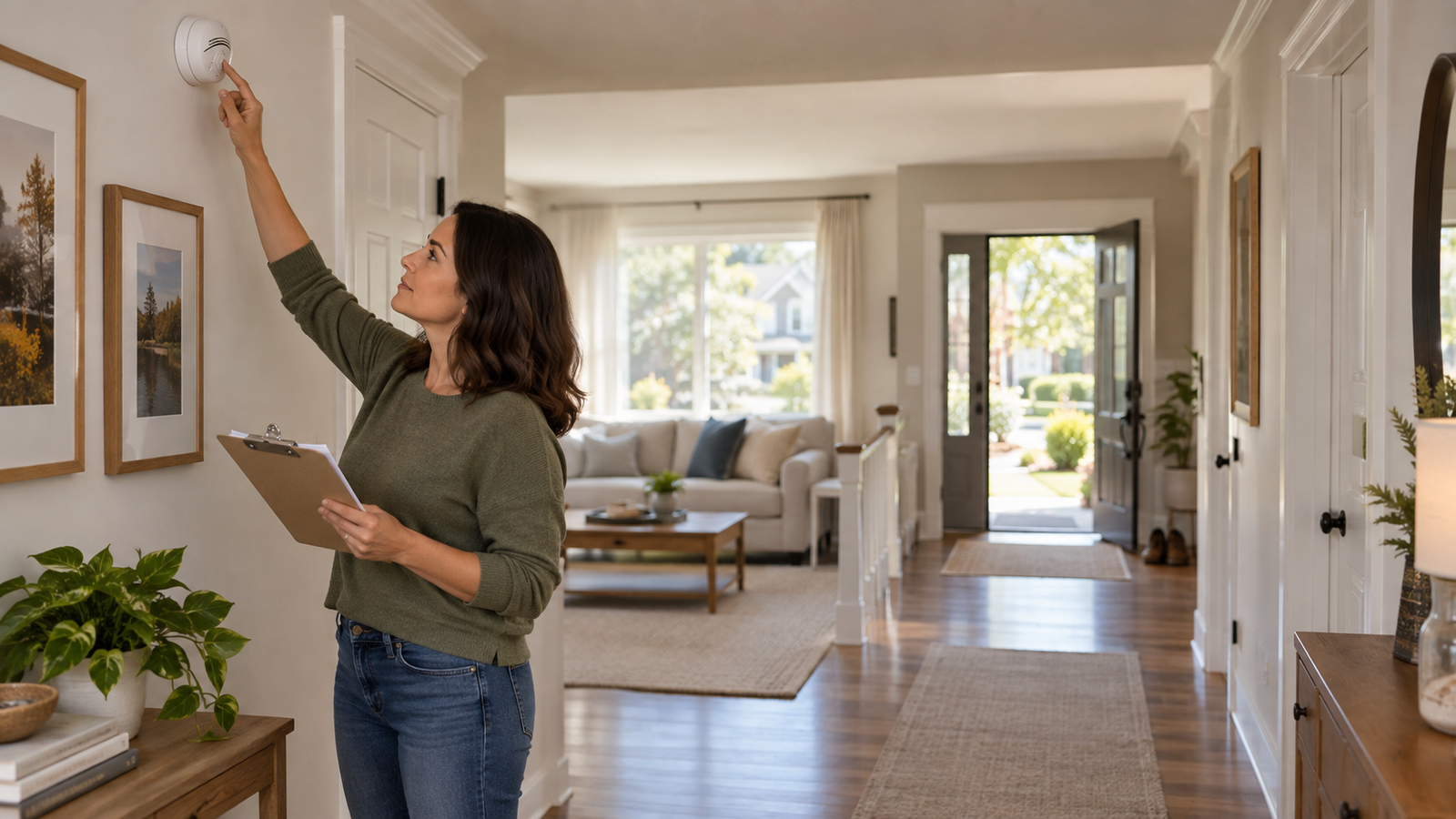
    What to check illustration supporting Kitchen Fire Prevention: Safer Habits for Everyday Cooking
    Visual guide: use the steps and safety notes in this section.
    • Keep alarms, exits, walkways, and emergency contacts easy to find.
    • Look for damaged cords, unusual odors, overheating, water near electricity, or blocked vents.
    • Follow the product manufacturer’s instructions for testing, cleaning, and replacement.
    • Make sure household members know how to leave safely and where to meet.

    Recommended actions

    1. Write down the location of relevant shutoffs, alarms, and exits.
    2. Use the official source below for current placement, testing, or preparation guidance.
    3. Correct only low-risk issues you understand; stop if the situation involves fire, gas, electricity, or an injury risk.

    What not to do

    Do not ignore alarm signals, use damaged electrical equipment, run fuel-burning equipment indoors, or treat a safety checklist as a substitute for emergency services or licensed work.

    When professional help is needed

    Call 911 for an immediate fire, gas-leak, carbon-monoxide, or medical emergency. For non-emergency hazards, use a qualified licensed professional or the responsible utility as appropriate.

    Official resources

    U.S. Fire Administration · U.S. Consumer Product Safety Commission
  • Family Fire Escape Plan: How to Practice a Safer Exit Plan

    Family Fire Escape Plan: How to Practice a Safer Exit Plan

    Quick answer: Family Fire Escape Plan: How to Practice a Safer Exit Plan starts with simple, low-risk checks, a household plan, and early attention to warning signs. Do not attempt electrical, gas, combustion, structural, or emergency work beyond your training.

    Why it matters

    Home-safety problems can develop quietly. A routine check can help your household notice hazards early and decide when to contact emergency services, a utility, or a qualified professional.

    What to check

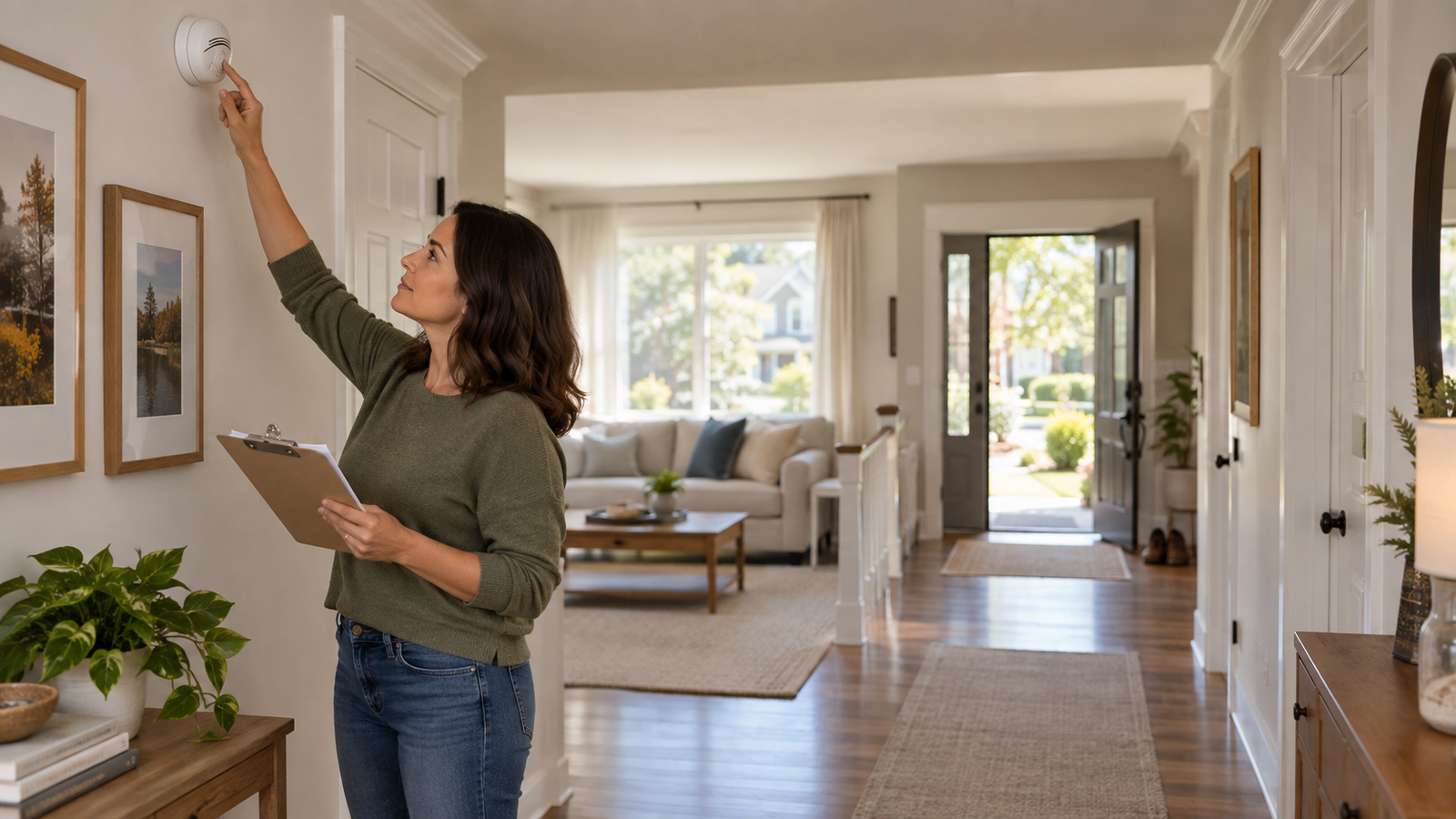
    Family Fire Escape Plan: How to Practice a Safer Exit Plan — visual guide for this section
    Visual guide: use the steps and safety notes in this section.
    • Keep alarms, exits, walkways, and emergency contacts easy to find.
    • Look for damaged cords, unusual odors, overheating, water near electricity, or blocked vents.
    • Follow the product manufacturer’s instructions for testing, cleaning, and replacement.
    • Make sure household members know how to leave safely and where to meet.

    Recommended actions

    1. Write down the location of relevant shutoffs, alarms, and exits.
    2. Use the official source below for current placement, testing, or preparation guidance.
    3. Correct only low-risk issues you understand; stop if the situation involves fire, gas, electricity, or an injury risk.

    What not to do

    Do not ignore alarm signals, use damaged electrical equipment, run fuel-burning equipment indoors, or treat a safety checklist as a substitute for emergency services or licensed work.

    When professional help is needed

    Call 911 for an immediate fire, gas-leak, carbon-monoxide, or medical emergency. For non-emergency hazards, use a qualified licensed professional or the responsible utility as appropriate.

    Official resources

    U.S. Fire Administration · U.S. Consumer Product Safety Commission

  • Where to Place Smoke Alarms at Home: Official Guidance Basics

    Where to Place Smoke Alarms at Home: Official Guidance Basics

    Quick answer: Where to Place Smoke Alarms at Home: Official Guidance Basics starts with simple, low-risk checks, a household plan, and early attention to warning signs. Do not attempt electrical, gas, combustion, structural, or emergency work beyond your training.

    Why it matters

    Home-safety problems can develop quietly. A routine check can help your household notice hazards early and decide when to contact emergency services, a utility, or a qualified professional.

    What to check

    • Keep alarms, exits, walkways, and emergency contacts easy to find.
    • Look for damaged cords, unusual odors, overheating, water near electricity, or blocked vents.
    • Follow the product manufacturer’s instructions for testing, cleaning, and replacement.
    • Make sure household members know how to leave safely and where to meet.

    Recommended actions

    1. Write down the location of relevant shutoffs, alarms, and exits.
    2. Use the official source below for current placement, testing, or preparation guidance.
    3. Correct only low-risk issues you understand; stop if the situation involves fire, gas, electricity, or an injury risk.

    What not to do

    Do not ignore alarm signals, use damaged electrical equipment, run fuel-burning equipment indoors, or treat a safety checklist as a substitute for emergency services or licensed work.

    When professional help is needed

    Call 911 for an immediate fire, gas-leak, carbon-monoxide, or medical emergency. For non-emergency hazards, use a qualified licensed professional or the responsible utility as appropriate.

    Official resources

    U.S. Fire Administration · U.S. Consumer Product Safety Commission

  • How to Test a Smoke Alarm and Keep a Simple Record

    How to Test a Smoke Alarm and Keep a Simple Record

    Quick answer: How to Test a Smoke Alarm and Keep a Simple Record starts with simple, low-risk checks, a household plan, and early attention to warning signs. Do not attempt electrical, gas, combustion, structural, or emergency work beyond your training.

    Why it matters

    Home-safety problems can develop quietly. A routine check can help your household notice hazards early and decide when to contact emergency services, a utility, or a qualified professional.

    What to check

    How to Test a Smoke Alarm and Keep a Simple Record — visual guide for this section
    Visual guide: use the steps and safety notes in this section.
    • Keep alarms, exits, walkways, and emergency contacts easy to find.
    • Look for damaged cords, unusual odors, overheating, water near electricity, or blocked vents.
    • Follow the product manufacturer’s instructions for testing, cleaning, and replacement.
    • Make sure household members know how to leave safely and where to meet.

    Recommended actions

    1. Write down the location of relevant shutoffs, alarms, and exits.
    2. Use the official source below for current placement, testing, or preparation guidance.
    3. Correct only low-risk issues you understand; stop if the situation involves fire, gas, electricity, or an injury risk.

    What not to do

    Do not ignore alarm signals, use damaged electrical equipment, run fuel-burning equipment indoors, or treat a safety checklist as a substitute for emergency services or licensed work.

    When professional help is needed

    Call 911 for an immediate fire, gas-leak, carbon-monoxide, or medical emergency. For non-emergency hazards, use a qualified licensed professional or the responsible utility as appropriate.

    Official resources

    U.S. Fire Administration · U.S. Consumer Product Safety Commission